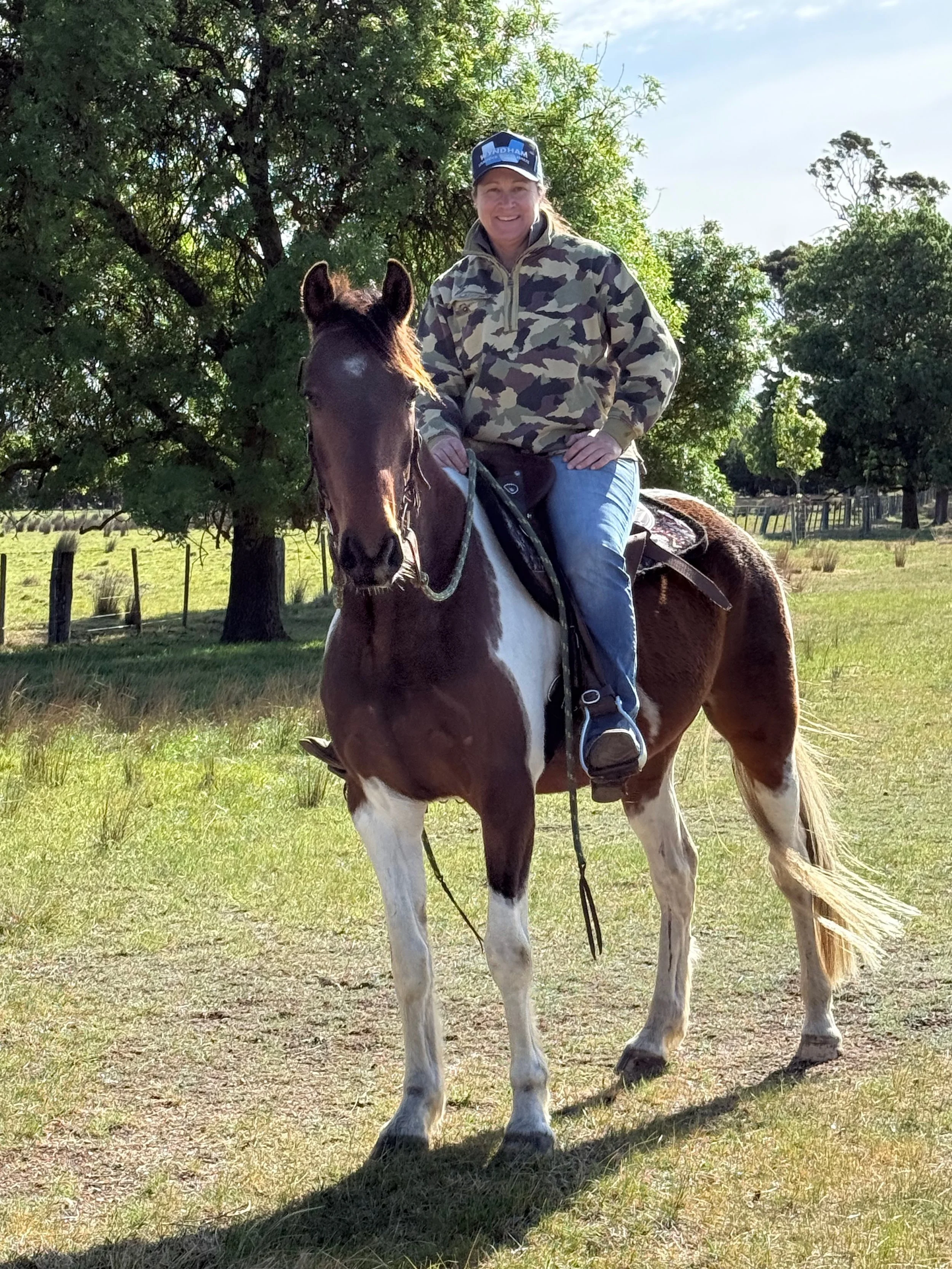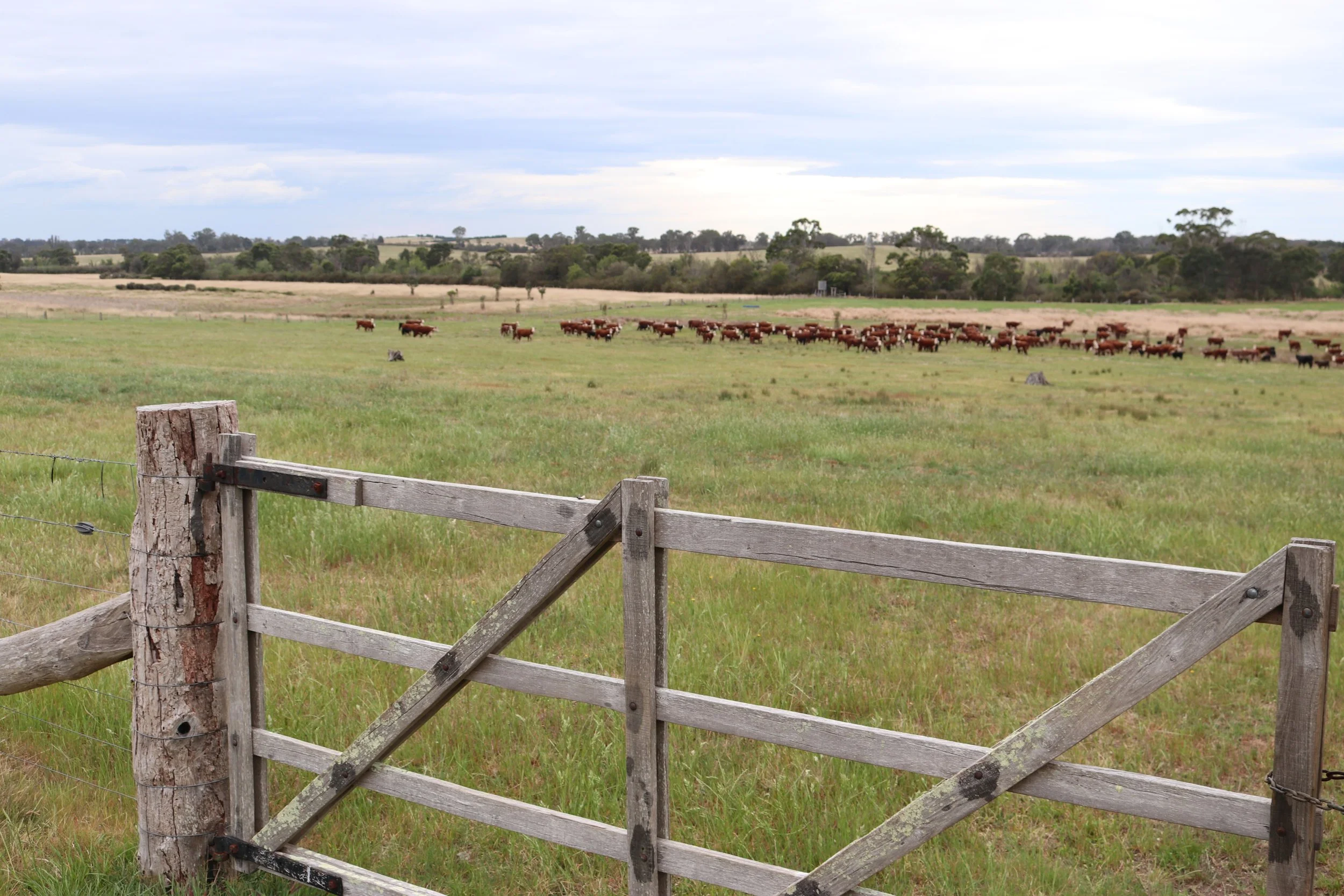
The topography at Meerlieu, close to the southern coast of Victoria, is a gently undulating to flat landscape of sandy and loam soils. In recent years, we’ve moved from a set-stocked approach to a more responsive rotational system. Our herds at Meerlieu are currently managed in three mobs, a large mob of mixed aged cows, first calving heifers and a yearling mob. Herds are moved frequently, with the aim to give our pastures the rest they need to recover and renew. Already, we are seeing significant improvements in ground cover, organic matter and overall animal health. It is especially exciting to see more native species in our pastures like kangaroo grass and legumes like trefoil which were seeded many decades ago.
Being on the sandy-loam coastal plains of East Gippsland, especially the region of Meerlieu is very susceptible to African Lovegrass, Eragrostis curvula domination in pastures. This grass species has been challenging for us. I hope to write more about our experience with what this grass species can teach us about our soils and management.
Our farm spans two distinct grazing landscapes: the sandy-loam coastal plains of Gippsland at Meerlieu, and the cooler, higher-rainfall country to the north-east at Timbarra, on the Timbarra River. The Timbarra country is run as a purebred Hereford operation in one mob.
Across both landscapes, we aim for a medium-frame cow that thrives in our system — cattle that last, re-breed, and raise a calf each year in at times a challenging environment. These traits — fertility, adaptability, longevity and structural soundness — are the most important traits.
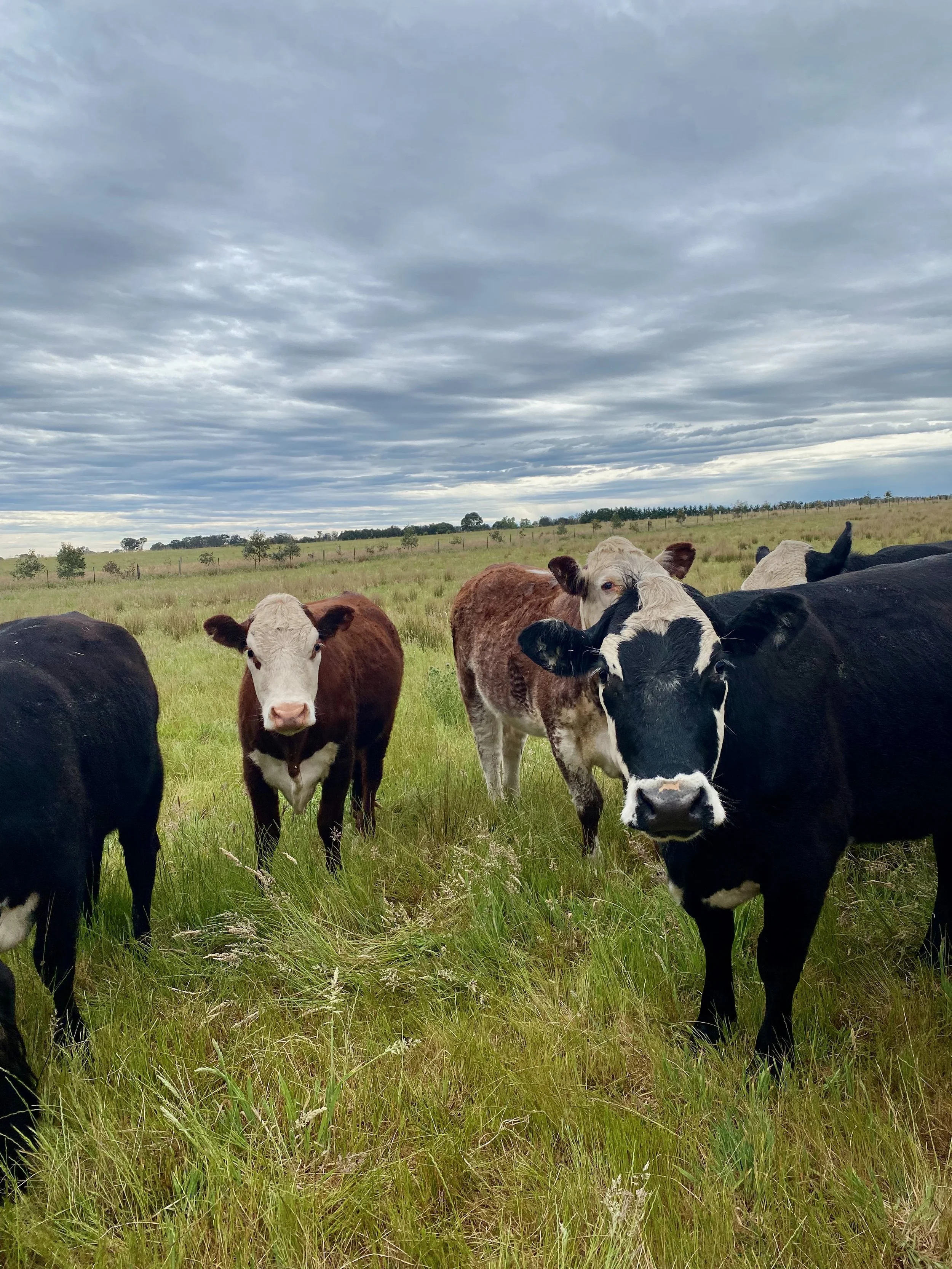
Our cattle are developed on 100% grass.
Adapted to our environment
Our mature breeding herd ranges from three to twelve-plus years of age, and we retain cows that show the characteristics that matter most: fertility, adaptability, longevity and soundness. Heifers are joined earlier — in October — and calve down as three-year-olds, giving them the maturity they need to raise a strong first calf. The main cow herd joins in November, calving in late winter. Yearlings form our third mob, allowing targeted management while still learning the natural rhythms of the larger herd.
We run both Hereford and Angus-Hereford cross cattle, making use of the hybrid vigour (heterosis) that results from first-cross breeding. Offspring benefit from greater fertility, growth, resilience and overall robustness — a biological advantage that aligns with our low-input, high-adaptability approach.
Our retained heifers are run as a separate group, joined earlier and calved down before merging with the main mobs, either at Meerlieu or the pure Hereford line returning to the higher country of Timbarra, many returning to the place of their birth. They learn to graze diverse feeds, handle seasonal roughage. In this way it prepares them for the realities of cow life and the inevitable environmental stresses that come with that life, I like to think of it as ‘grazing wisdom’.
I was deeply inspired to read the work of Fred Provenza in Nourishment which sits at the forefront of reference to so many of my thoughts and observations.
Fred Provenza’s Nourishment offers profound insight into the power of “place” in shaping animals. He shows that from conception—through gestation, birth, a mother’s milk—animals absorb chemical, microbial and behavioural cues from their environment. These early-life experiences teach them what foods are safe, nutritious and medicinal, and they build animals that are more resilient, more adaptable, and more finely tuned to the landscapes they’re born into.
Provenza’s work underscores that heritage, environment, and learned behaviour are inseparable—and that animals raised in synchronicity with their home country develop the hardiness, grazing wisdom and natural health needed to thrive in that specific place.
Our yearlings form the third herd. This structure allows us to target nutrition and management to their stage of life, while still holding firm to our guiding philosophy: cattle must be adapted, not pampered.
All our cattle are accredited under Greenham’s Never Ever program, and we ensure castrated animals receive pain relief. Our herd is protected under a consistent 5-in-1 vaccination program.
By the time our yearlings reach the Bairnsdale spring store sales at twelve plus months, they are quiet, well-handled by dogs and horses, and 100% grass-developed.
Hereford and Angus Cross
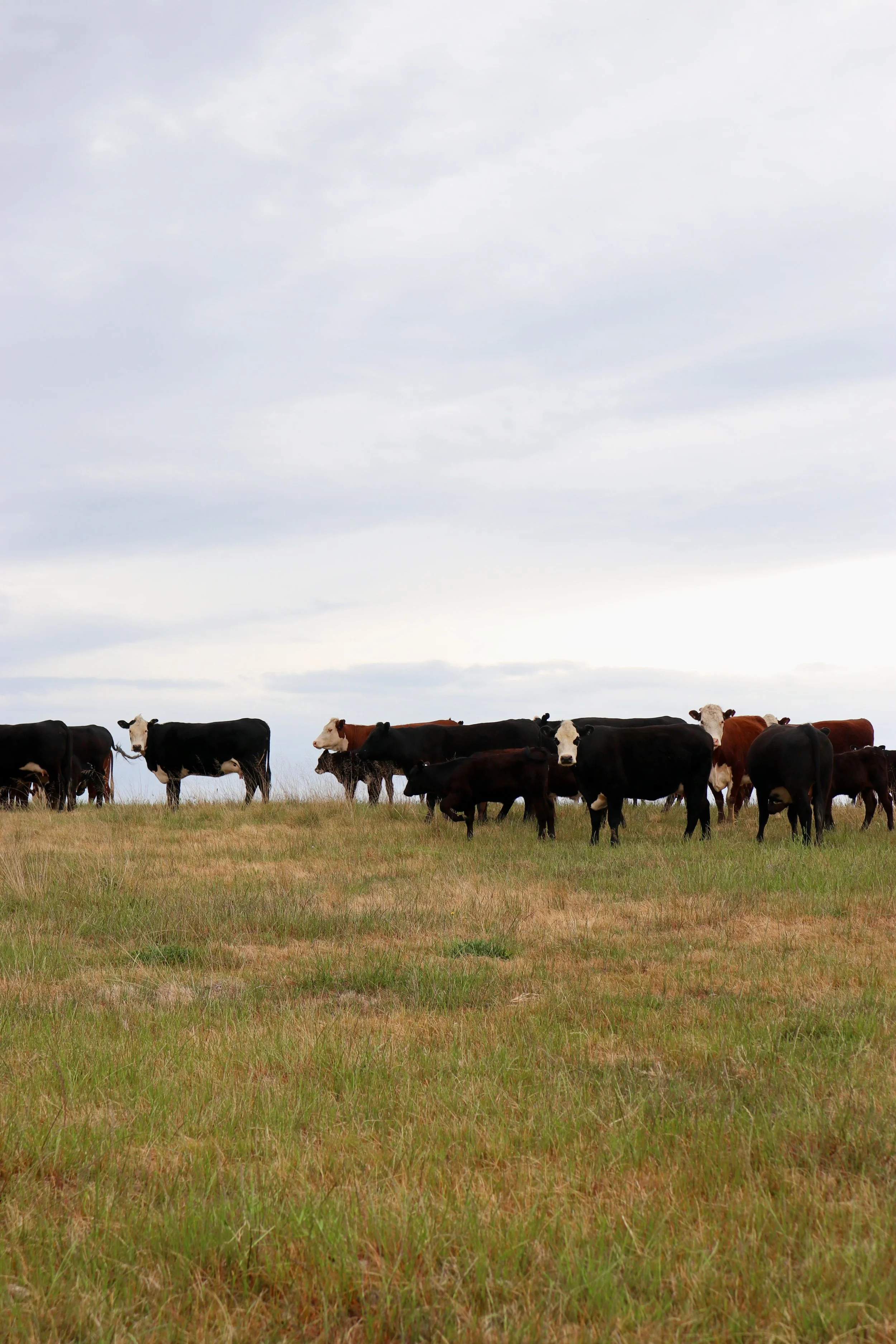
Herefords crossed with an Angus Bull make what the industry calls a ‘Black Baldy’ known for their excellent mothering abilities.
April Simpson
“It’s fantastic to see how quiet the young stock are, most days we are hard pressed to get out of a walk. For our repeat buyers they know they are getting something well-handled.”